
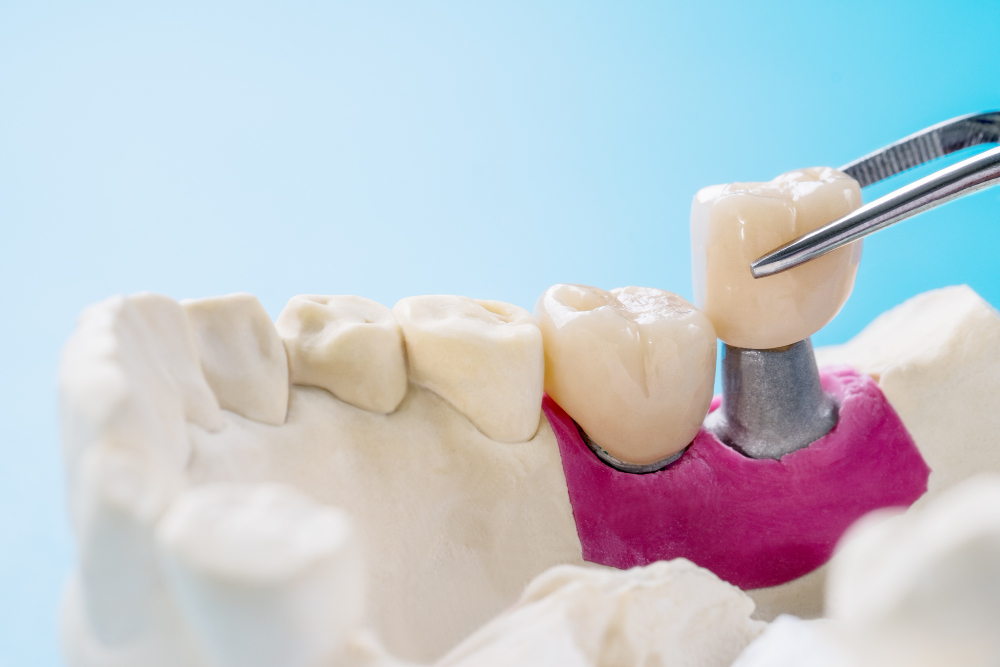
Dental Crowns: Benefits, Procedure, and Aftercare

Introduction

Dental crowns are tooth-shaped caps placed over teeth. They help restore the shape, size, and strength of a tooth. Often, dental crowns improve the look of your smile. Dentists use them when a tooth is weak, broken, or needs support. In many cases, dental crowns protect teeth after treatments like root canals. Because they cover the entire tooth, crowns offer both protection and a natural look.

Benefits of Dental Crowns

Dental crowns offer many advantages. For example, they can:

  • Protect weak or cracked teeth from breaking
  • Restore broken or worn-down teeth
  • Support teeth with large fillings
  • Improve the look of misshapen or discolored teeth
  • Hold dental bridges in place
  • Cover dental implants
  • Additionally, dental crowns can boost your confidence by giving you a natural-looking smile.

    When Are Dental Crowns Needed?

    Sometimes, your dentist may suggest a crown for several reasons. Common signs you might need a dental crown include:

  • Severe tooth decay or damage
  • Cracked or chipped teeth
  • Large fillings that weaken the tooth
  • After a root canal treatment
  • To cover a dental implant
  • Cosmetic reasons, such as misshapen teeth
  • If you notice pain, sensitivity, or visible damage, it is wise to see your dentist. Early treatment can prevent further problems.

    The Dental Crown Procedure

    Getting a dental crown usually takes two visits. Here is a step-by-step overview:

  • Examination: First, your dentist checks the tooth and takes X-rays.
  • Preparation: Next, the dentist shapes the tooth and removes any decay.
  • Impression: Then, an impression of your tooth is made for a custom fit.
  • Temporary Crown: While the permanent crown is made, a temporary one protects your tooth.
  • Fitting: At your next visit, the dentist places and adjusts the new crown.
  • Cementing: Finally, the crown is cemented in place for a secure fit.
  • Most people find the dental crown procedure simple and comfortable. Your dentist will explain each step and answer your questions.

    Types of Dental Crowns

    There are several types of dental crowns. Each material has its own benefits. Common options include:

  • Porcelain or Ceramic: These crowns look natural and match your teeth. They are often used for front teeth.
  • Metal: Gold or other metal crowns are very strong. They last a long time but are more noticeable.
  • Porcelain-Fused-to-Metal: These crowns combine strength and a natural look.
  • Resin: Resin crowns are less costly but may wear down faster.
  • Zirconia: These are strong, durable, and look like natural teeth.
  • Your dentist will help you choose the best type of dental crown for your needs and budget.

    Aftercare and Maintenance Tips

    Proper dental crown aftercare helps your crown last longer. To keep your crown and teeth healthy:

  • Brush your teeth twice a day with a soft brush
  • Floss daily to remove food and plaque
  • Avoid biting hard foods or ice
  • Visit your dentist for regular check-ups
  • Use a mouthguard if you grind your teeth at night
  • With good care, dental crowns can last many years. However, regular dental visits are important for early detection of any issues.

    Potential Risks and Complications

    Although dental crowns are safe, some risks may occur. For instance, you might notice:

  • Sensitivity to hot or cold foods
  • Discomfort or pain when biting
  • Chipped or loose crowns
  • Allergic reactions (rare)
  • Gum irritation or infection
  • If you experience any of these problems, contact your dentist right away. Early care can prevent further issues. According to the American Dental Association, most people have no serious problems with dental crowns.

    Prevention and Oral Health Guidance

    Good oral hygiene helps prevent the need for dental crowns. To keep your teeth strong:

  • Brush and floss daily
  • Eat a balanced diet with limited sugar
  • Wear a mouthguard during sports
  • See your dentist for regular cleanings
  • Moreover, early treatment of dental problems can help you avoid crowns in the future. The CDC recommends regular dental check-ups for everyone.

    Frequently Asked Questions

  • How long do dental crowns last?
  • With proper care, dental crowns can last 5 to 15 years or longer.
  • Does the dental crown procedure hurt?
  • No, your dentist uses local anesthesia to keep you comfortable.
  • Can I eat normally with a dental crown?
  • Yes, but avoid very hard or sticky foods to protect your crown.
  • How do I clean my dental crown?
  • Brush and floss as you would with your natural teeth.
  • Will my crown look natural?
  • Most crowns are designed to match your other teeth in color and shape.
  • For more information, consult a dental specialist at Smile More Dental Hospitals for personalized advice on dental crowns.