
Introduction
Malocclusion is a common dental problem. It means your teeth do not line up properly when you close your mouth. Many people have some form of malocclusion. However, some cases need dental care. In this blog, you will learn about malocclusion, its causes, symptoms, diagnosis, and treatment options. You will also find tips to prevent malocclusion and know when to see a dentist.
What is Malocclusion?
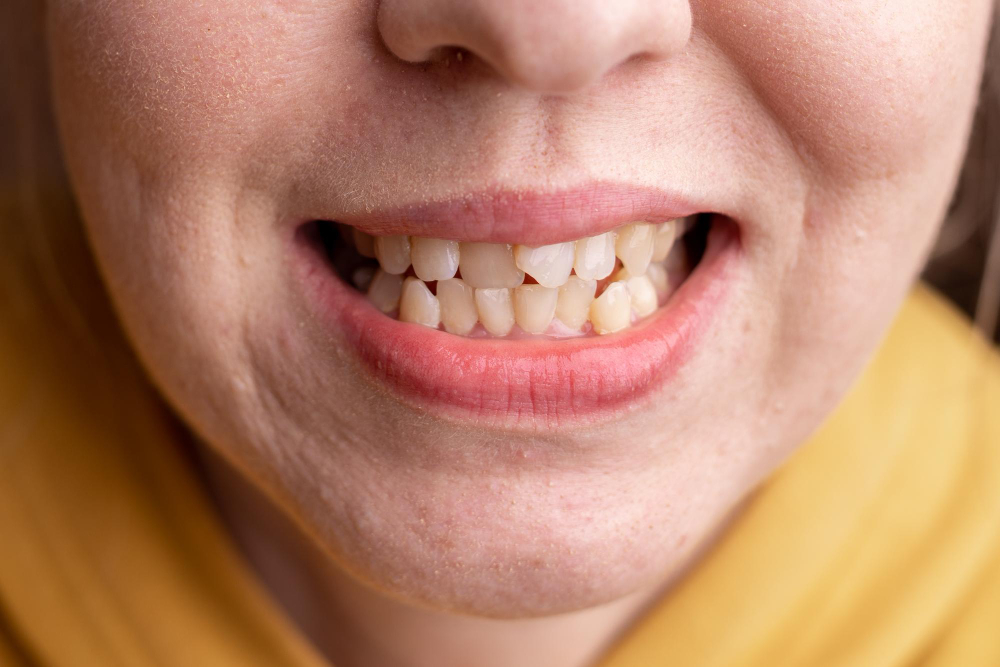
Malocclusion is a term used in dentistry. It describes teeth that are crooked, crowded, or do not fit together well. Because of this, your bite may feel off. There are different types of malocclusion, such as:
Although mild cases may not cause problems, severe malocclusion can affect chewing, speech, and oral health.
Common Causes of Malocclusion
Many factors can lead to malocclusion. Some causes are present at birth, while others develop over time. For example, genetics play a big role. If your parents had crooked teeth, you might too. Other common causes include:
In addition, habits like nail biting or chewing on objects can also affect your bite.
Symptoms and Signs
Malocclusion symptoms can vary. Some people notice problems right away, while others do not. Still, it helps to watch for these common signs:
Sometimes, you may also notice changes in your facial appearance. If you have any of these malocclusion symptoms, it is wise to talk to a dentist.
Diagnosis Methods
Dentists use several methods to diagnose malocclusion. First, they will ask about your dental history and symptoms. Next, they will examine your mouth and teeth. Often, they use these tools:
Because early diagnosis helps, regular dental checkups are important. According to the American Dental Association, children should see a dentist by age one.
Treatment Options
Malocclusion treatment depends on the type and severity. While mild cases may not need care, moderate or severe cases often do. Common dentistry for malocclusion includes:
In many cases, early treatment can prevent bigger problems later. Your dentist will suggest the best malocclusion treatment for you.
Prevention Tips
Although not all cases can be prevented, you can lower your risk. For instance, you can:
Additionally, treating dental problems early can help prevent malocclusion from getting worse.
When to See a Dentist
If you notice any signs of malocclusion, do not wait. For example, crooked teeth, jaw pain, or trouble chewing should prompt a dental visit. Early care can make treatment easier and more effective. Even if you have no symptoms, regular dental checkups are key. Dentists can spot problems before they become serious.
In summary, malocclusion is a common dental issue. However, with early diagnosis and proper care, you can enjoy a healthy smile. Consult a dentist at Smile More Dental Hospitals for personalized advice on malocclusion.